In this new series, our PPG-Sleep Medicine providers offer professional perspectives on achieving more uninterrupted, refreshing sleep. In this installment, Amanda Schraeger, NP, explains how CPAP machines support breathing while you rest.
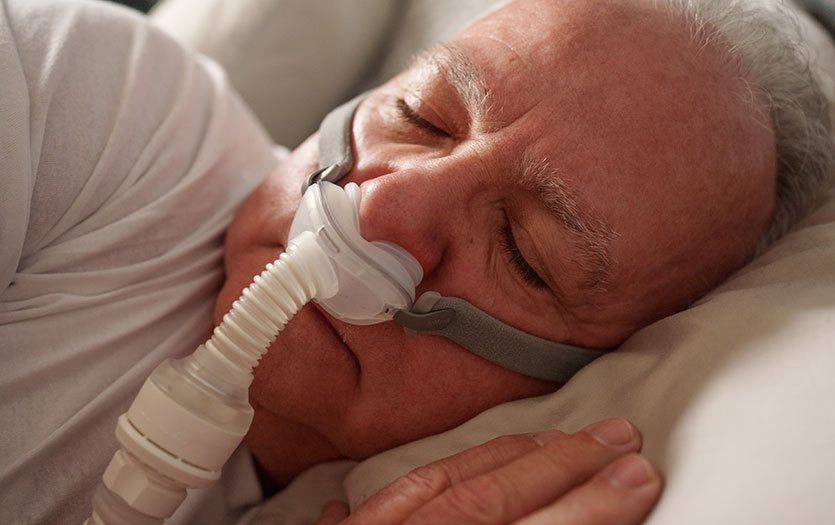
A continuous positive airway pressure (CPAP) breathing machine works by supplying pressure into your oral cavity, through your nose or your mouth, to keep your airway open and allow effective breathing when you're sleeping. This helps to decrease the number of obstructions that occur through the night.
Some people need a different pressure range. If they're on auto—which is a range of 6 to 20—it'll climb the ladder based on the amount of obstructions you're having until it controls you. Just because you're at a higher pressure doesn't mean you have more severe sleep apnea. Everybody reacts differently to pressure, so someone may need a set pressure of 18, and someone may need a set pressure of 6, even though they have the same type of events occurring.
For more on CPAP machines and sleep apnea, check out these posts from the Parkview Dashboard:
Signs your CPAP machine isn't working correctly
Slumber shorts: Obstructive Sleep Apnea