
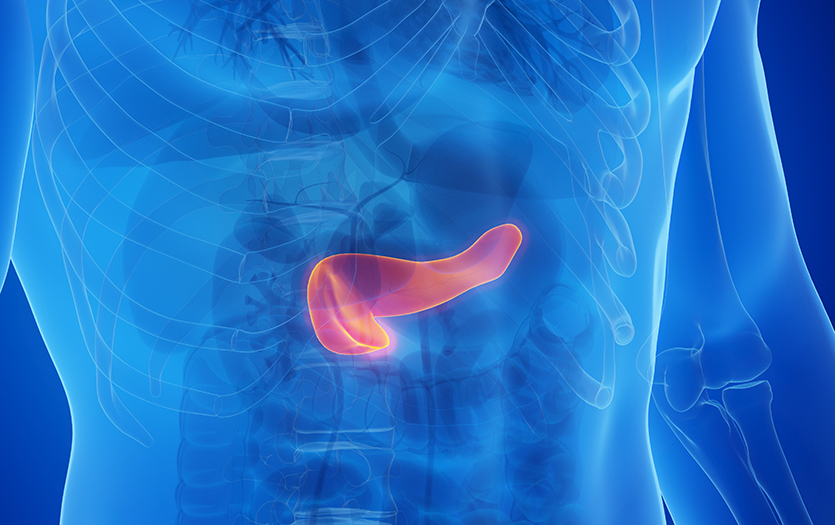
This post was written based on the appearance of Dr. Philip Bao on the program, PBS HealthLine.
While pancreatic cancer is not as common as some other types, it is known for being particularly aggressive. In the United States, it ranks as the third leading cause of cancer-related deaths, and in Indiana, it causes approximately 1,200 people to die each year. In this post, we discuss why this disease is so dangerous and how to recognize early symptoms.
Why is pancreatic cancer so aggressive?
Pancreatic cancer is known to have an aggressive biology for many reasons, including how it interacts within the body and surrounding tissues. It can evade the immune system by creating a "shield," preventing the body from reacting to it or helping control it. It can also be resistant to chemotherapy. Pancreatic cancer also has access to the lymphatics and the blood vessels, making it more prone to spreading in a faster timeframe than other cancers.
Who is most vulnerable to developing pancreatic cancer?
Occurrence is evenly distributed between men and women, but it primarily affects older patients, typically those aged 60 to 80. However, it can also be seen in individuals in their 50s or even 40s.
Risk factors for this cancer aren't so well defined. Some families have genetic predispositions that lead to pancreatic and related cancers, such as melanoma skin cancer. The risk of developing pancreatic cancer is higher if you:
-
Smoke
-
Are very overweight or not active
-
Have long-term diabetes
-
Have chronic pancreatitis
-
Have a family history of pancreatic cancer
-
Have certain rare inherited conditions, such as hereditary pancreatitis, BRCA mutations, or Lynch syndrome
What are the symptoms?
Pancreatic cancer may not cause symptoms until the cancer has spread. The classic presentation of jaundice occurs when a person's skin and eyes suddenly turn yellow. They may also experience some itching and a change in urine and stool color, but often there is no pain. Other symptoms associated with pancreatic cancer can be very subtle, such as:
-
Unexpected or unintentional weight loss over a period of three to six months
-
Vague pain in the upper abdomen and back
-
Problems with eating and digestion
-
Extreme tiredness
-
Worsening or new diabetes
Pancreatic cancer symptoms can be subtle and often mistaken for other causes, such as aging or seasonal conditions. If not looking for it, it can take an astute primary doctor or family member to pick up on those changes.
Unfortunately, unlike a mammogram for breast cancer or a colonoscopy for colorectal cancer, there's currently no recommended screening test for average-risk individuals. Those with known genetic risks can find and participate in a high-risk clinic for screening.
How is pancreatic cancer diagnosed?
If someone exhibits these signs or symptoms of pancreatic cancer, a diagnosis can be confirmed through a combination of blood tests and imaging. There are certain blood markers associated with pancreatic cancer that can be checked. However, the primary diagnostic method is typically a CT or MRI scan, an imaging study that examines the abdomen where the pancreas is located.
A typical diagnostic pathway may involve an endoscopic procedure to obtain a biopsy. Once the biopsy confirms the presence of a tumor or cancer, patients typically undergo a multidisciplinary consultation process. This may include visits with a pancreas surgeon, a medical oncologist and other specialists. Together, they will help determine the cancer's stage and explore treatment options.
There is a role for chemotherapy and sometimes radiation at all stages of pancreatic cancer. If there is no spread to other parts of the body and the cancer can be completely and safely removed, surgery should also be considered.
Find care
Scheduling regular appointments with your provider is a great way to establish a baseline for your health. If you need help scheduling an appointment or establishing care with a provider, our Access Center can help. Call any time, at 877-PPG-TODAY or 877-774-8632 for assistance. If you are seeking a second opinion on a current cancer diagnosis, reach out to us here.